A taste of history: The legend of the Eglisau mineral spring
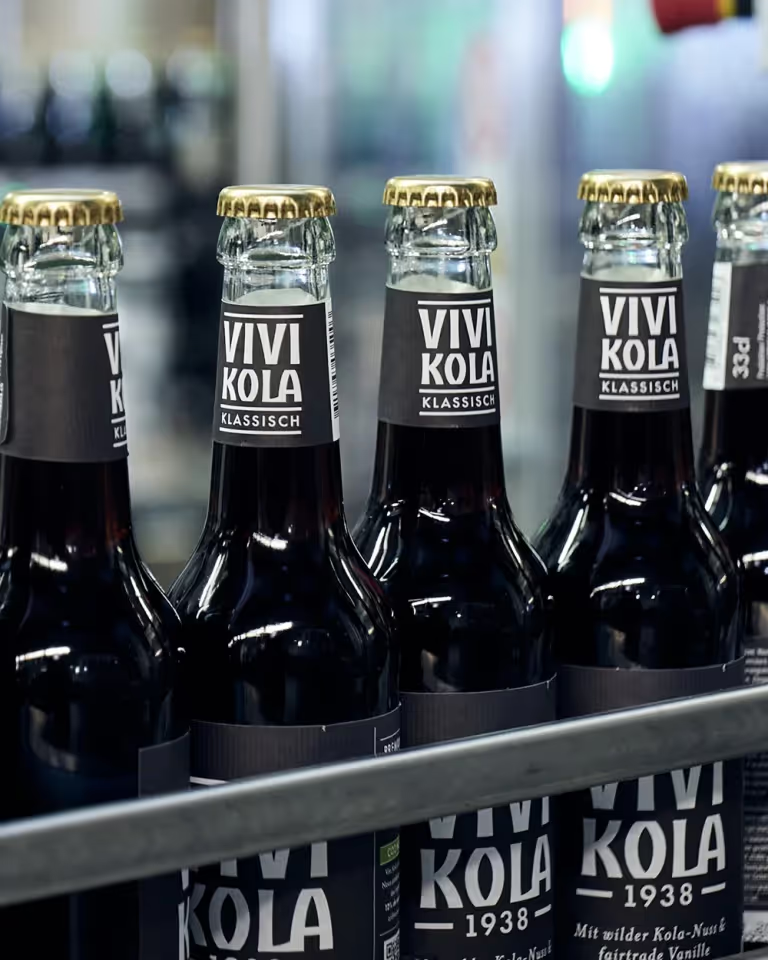
Vivi Kola and Eglisau belong together like fries and ketchup, moon and stars or music and dance. The story goes back a long way to the origins of the Eglisau mineral spring.

Vivi Kola and Eglisau belong together like fries and ketchup, moon and stars or music and dance. The story goes back a long way to the origins of the Eglisau mineral spring.
And this is what historian Matthias Nast has been working on for the last few months. He worked on the exhibition at the Eglisau Local Museum, which has been showing the special exhibition “100 years of Eglisau mineral spring — from Eglisana to Vivi Kola” since the beginning of April. The production of soft drinks may have been a small step in the consumer culture of world history, but it was an even bigger — and above all groundbreaking — step for the small town on the Rhine.
In 1821, salt was drilled at Gasthaus Krone, but instead the workers came across a mineral water spring. This was later supplied by a spa house, which recommended the water not only for bathing, but also for drinking. Rich in minerals such as iodine, fluorine and bromine, however, it was unable to avert the bankruptcy of the company. On the contrary, it may even have contributed to this.
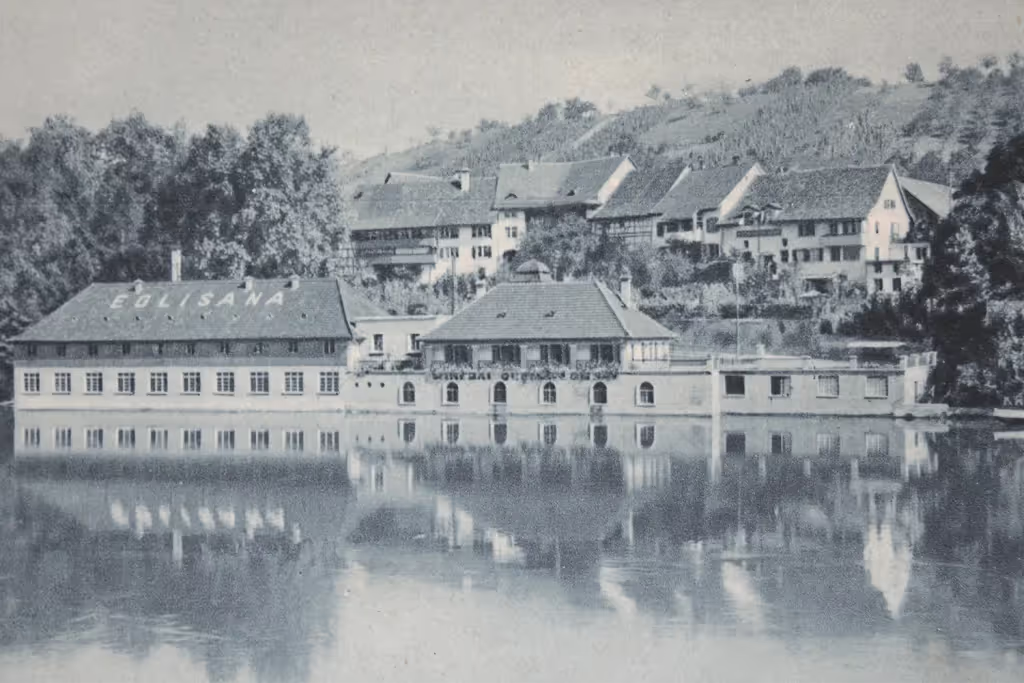
In 1924, new owners took over the spring. They had big plans: They wanted to conquer Switzerland with mineral water from the Zurich lowlands. But at the Federal Shooting Festival of the same year, a whopping 19,500 of 20,000 bottles were returned. Iodine, fluorine and bromine were medically convincing, but obviously less so in terms of taste. Matthias Nast sums it up: “The water from Eglisau stank.” A new plan was needed.
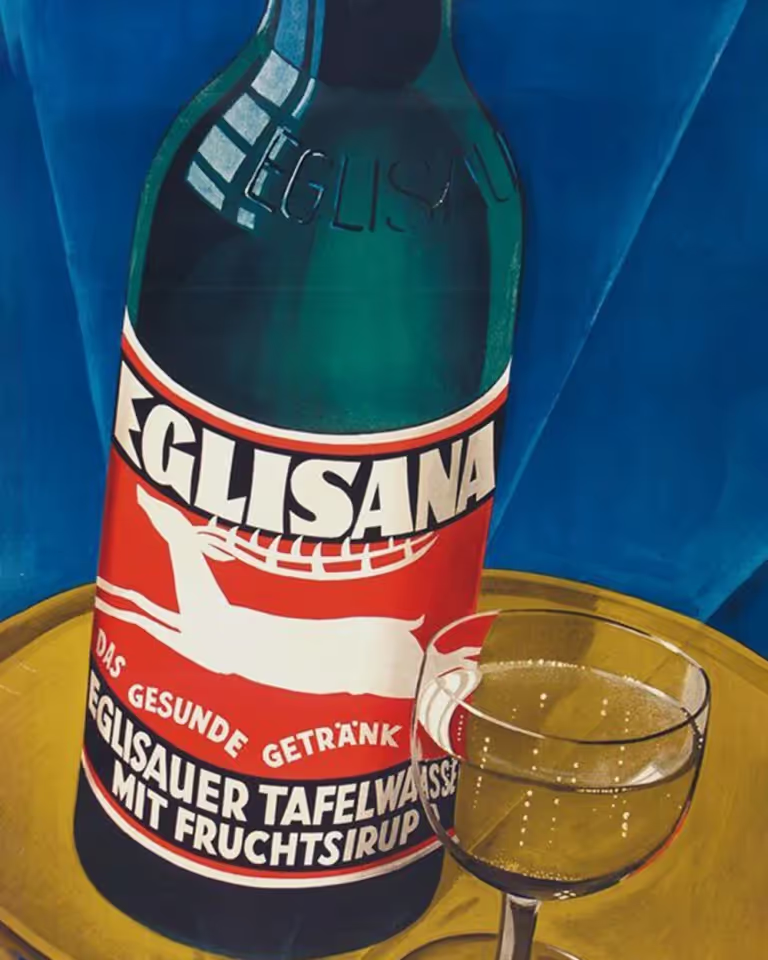
Mineralquelle Eglisau adapted to new consumption habits and relied on cutting-edge marketing methods right from the start. She was able to bring work and recovery to Eglisau. But after the shooting festival fiasco, the pioneers were faced with a problem: How should business be made with an unsaleable product? The answer lay in an ingredient that had given lemonade its flavor centuries ago in southern Europe: lemon essence. Industrial-scale production began in 1926. Eglisana became the first Swiss lemonade and was a success in a market that had never existed before. Traditionally, men had refreshed themselves with beer, wine or must, and non-alcoholic sweet drinks were considered “unmanly.” But advertising with topics such as sports and leisure suddenly made Eglisauer lemonade interesting for this target group as well. In the early 1930s, Swissair's first aircraft even promoted sparkling water with an Eglisana logo that spanned the entire wingspan.
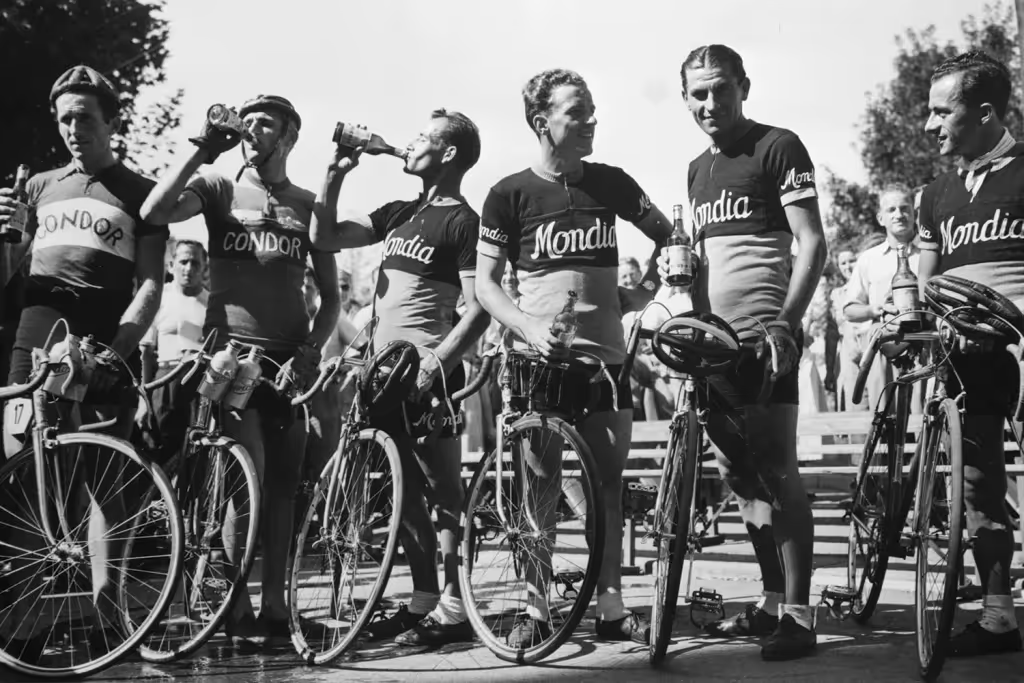
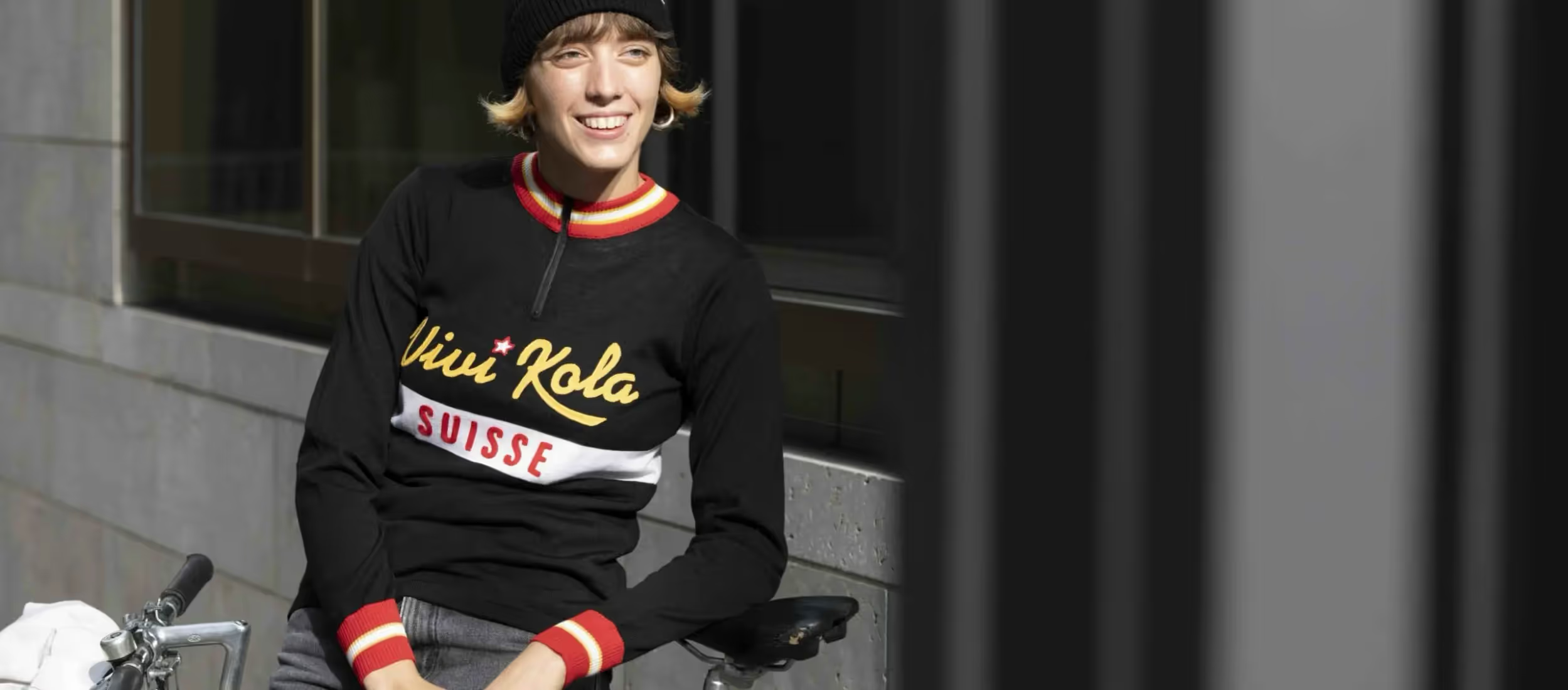
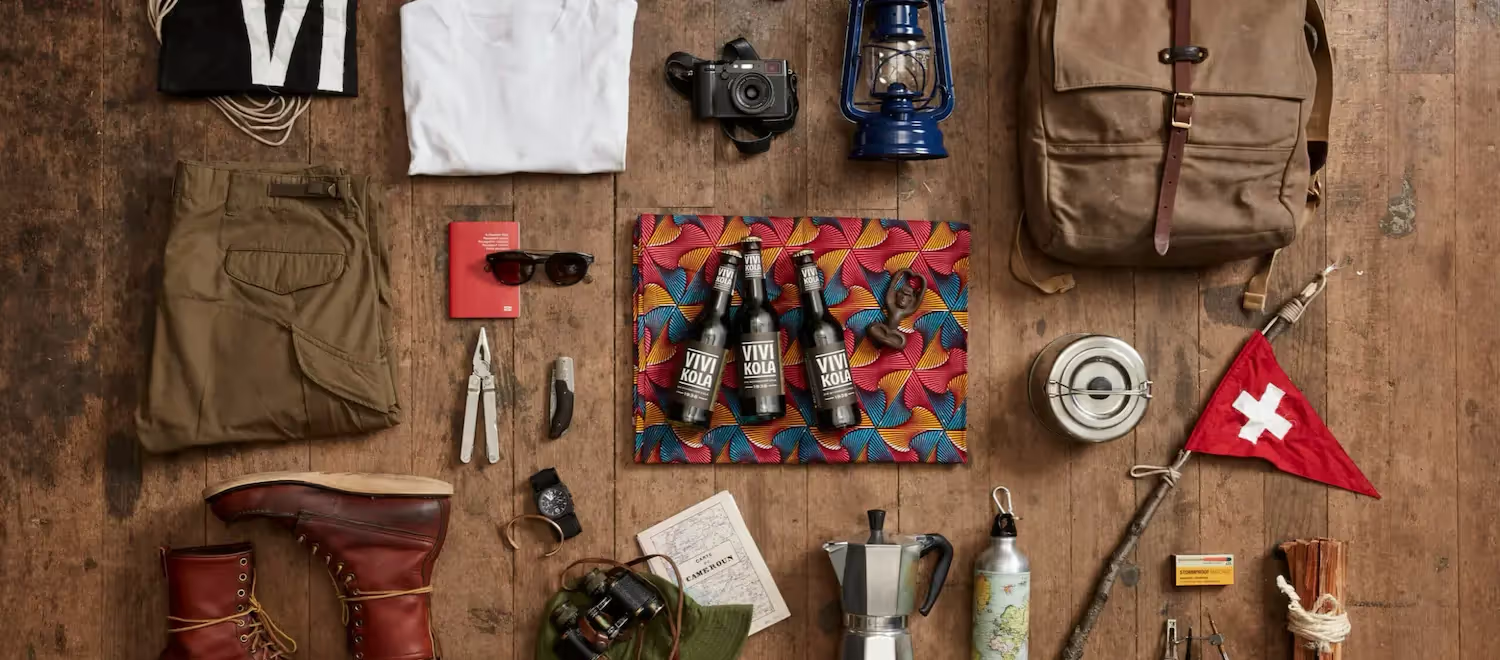
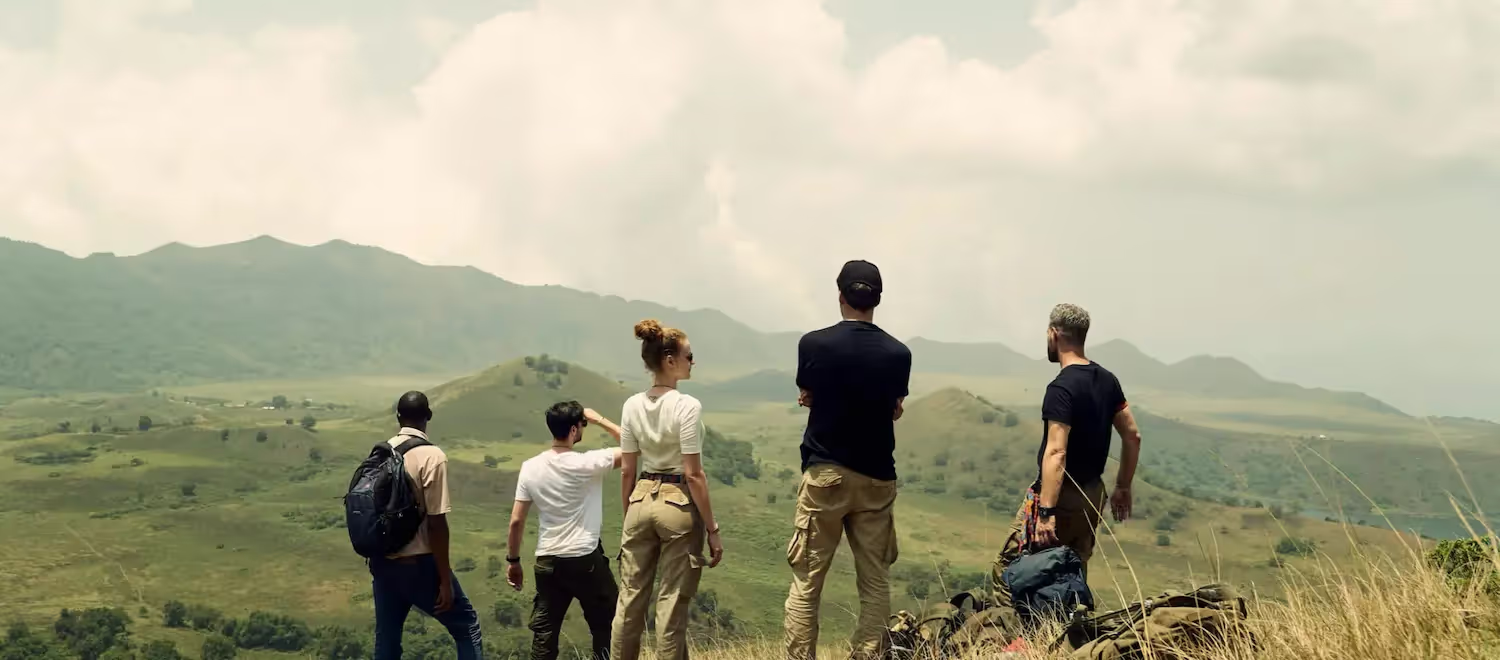
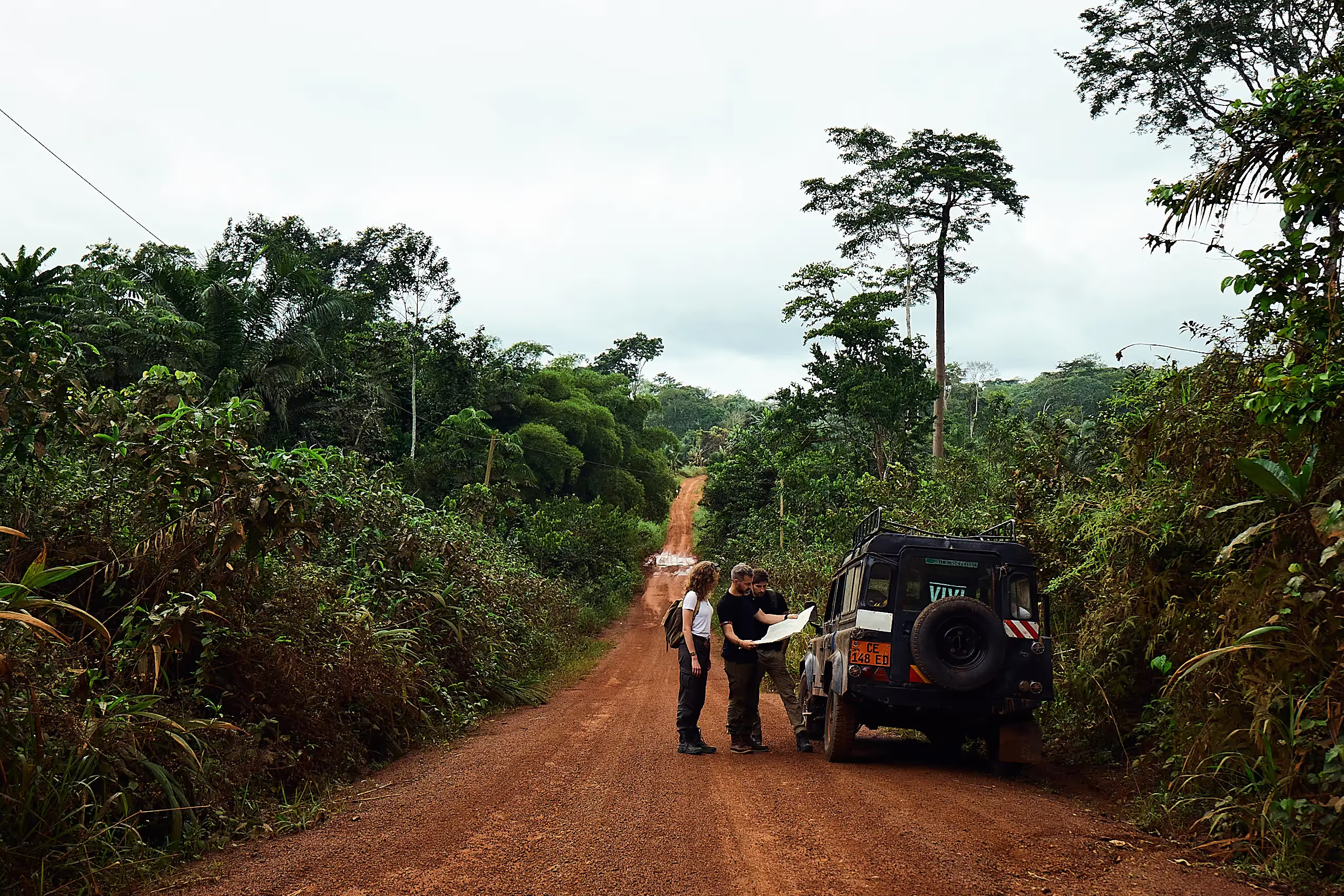
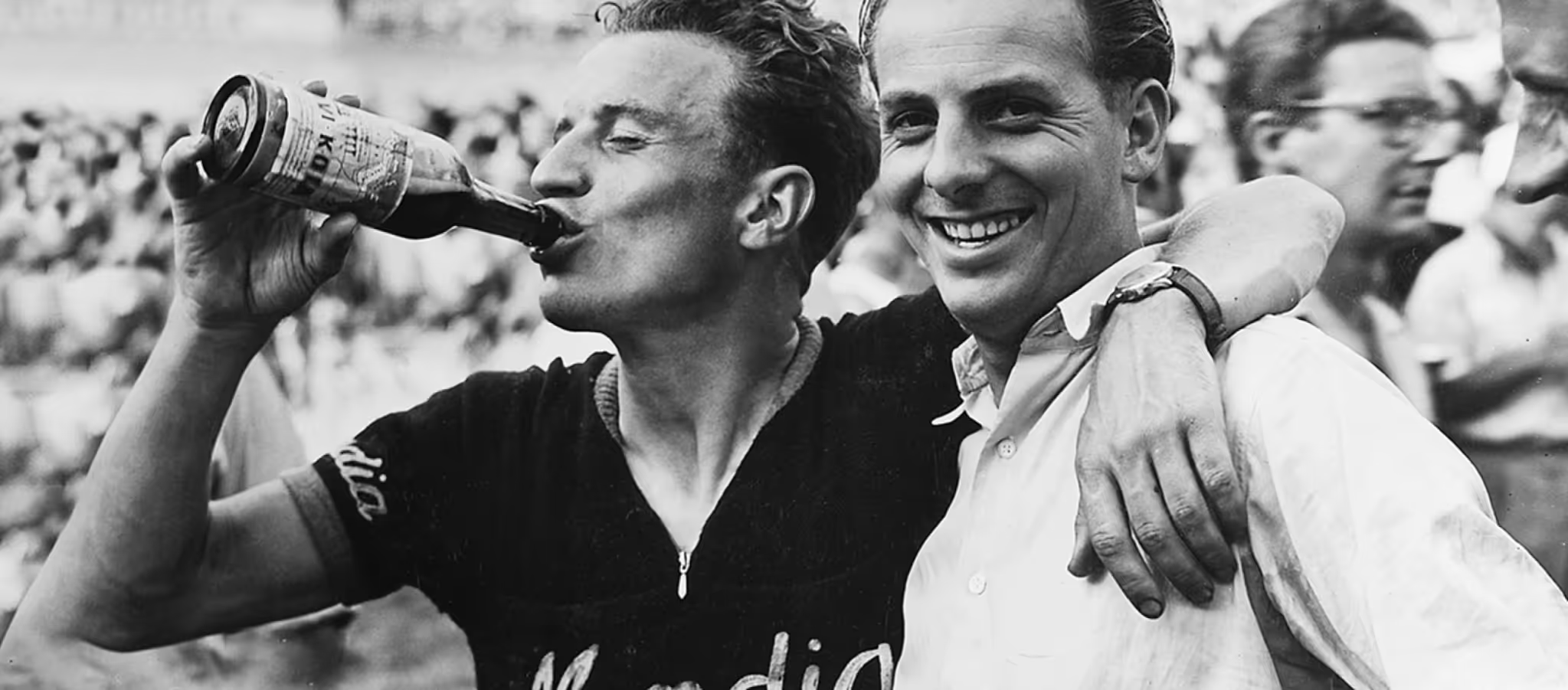
According to legend, the mineral spring sent its employees to Cameroon in 1938 to search for the mysterious kola nut and bring it to Eglisau — with success. This was the start of Vivi Kola, with which the Eglisauerers stood up to American cola drinks. The breakthrough came in 1949 when Vivi Kola sponsored the Tour de Suisse during the heyday of Swiss cycling. Cycling legends such as Hugo Koblet, Göpf Weilenmann and Ernst Stettler made speeches about themselves and crashed down a Vivi Kola in the finish area in front of the cameras. Everyone was talking about the “racing driver beer” now.
Mineralquelle employees each accompanied the Tour de Suisse with a promotional car and sang the Vivi Samba through its microphone.
It is particularly noteworthy that the aromatization of their water gave the Eglisauerers the capital for the future. Over the years, they produced a variety of soft drinks for the beginning era of mass consumption.
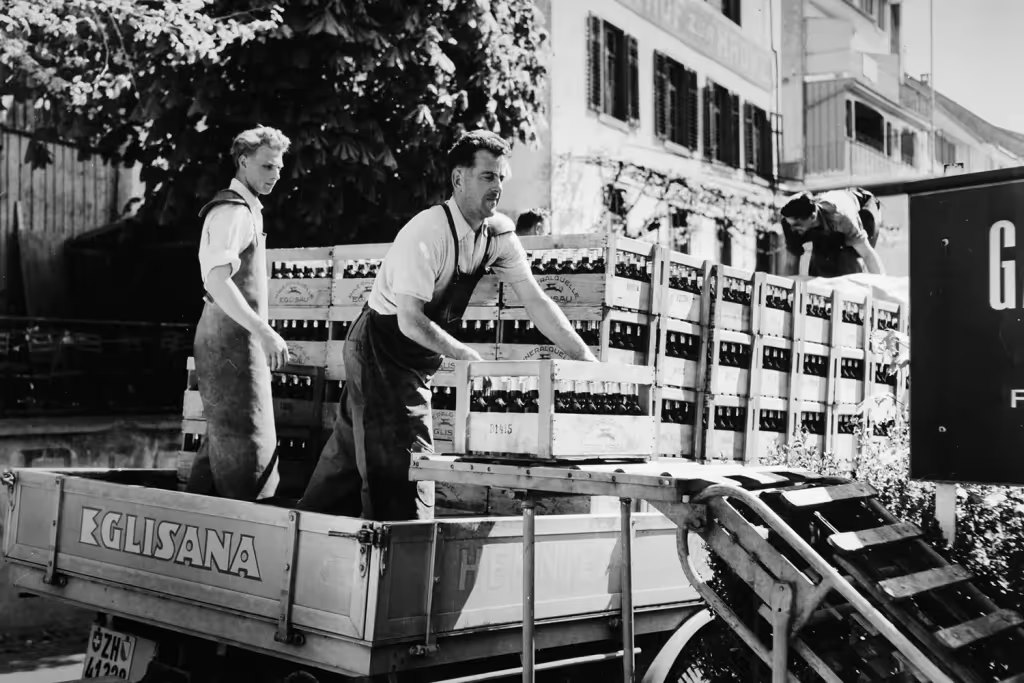
But it is not only the wide range of products that are important for historian Matthias Nast, but also the traces that Eglisana & Co. left behind in consumer culture. Together with another historian, Nast has conducted interviews with eyewitnesses who can be heard at three listening stations at ViCAFE Eglisau.
For example, with a truck driver who drove across the countryside for Mineralquelle Eglisau AG for twenty years, also across the Gotthard and “down to Welschland” on a “Saucheib” off the road. Or with an employee who completed her commercial apprenticeship at the company and was often brought in to try new varieties — even before breakfast. “It ended up in the stomach,” she laughs. And then there were the afternoons with free samples that attracted children from afar to Eglisau. These made Eglisau a destination for school trips from all over the region. “People are still talking about it today,” says Matthias Nast.
{{image-gallery}}
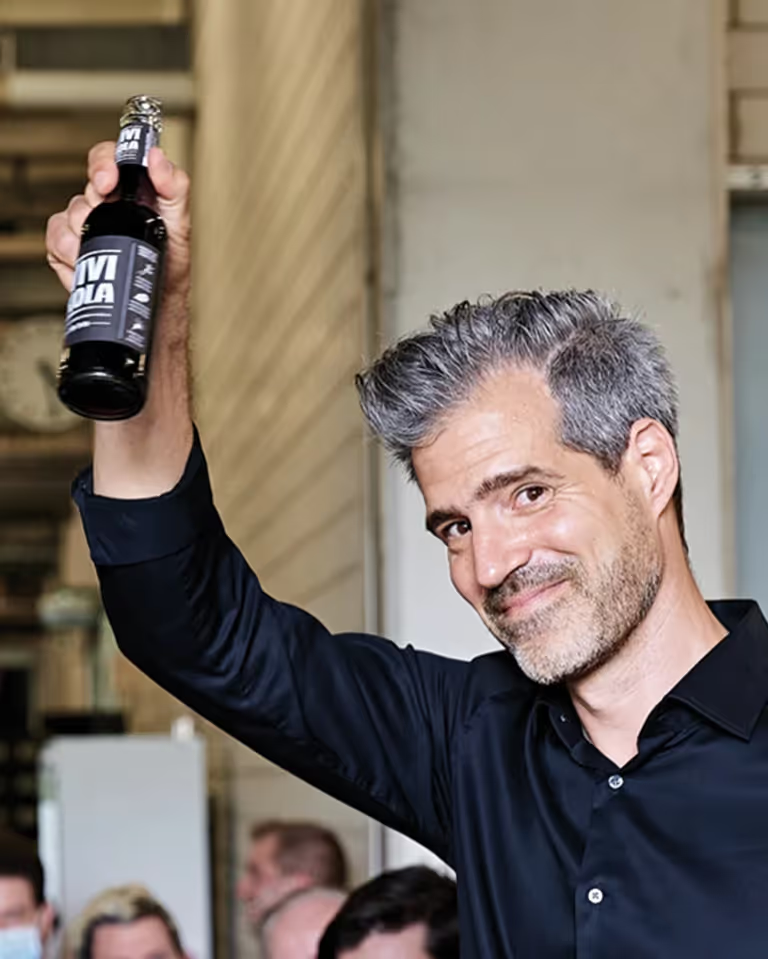
Nast works as a lecturer at the HWZ, the Zurich School of Economics, and as co-responsible for the “Business Communications” degree program. After work, he, like many others in the team, takes care of Eglisau's local history. They work on the exhibition in the local museum on behalf of the municipality on a voluntary basis. “We're working with the options we have,” says Nast. The team also includes an architect who takes care of the exhibition construction, and Christian Forrer, who made Vivi Kola fizz again in 2010.
Christian Forrer resumed production with a new company after the factory was closed. That was 2010, after a series of ever more unfortunate takeovers and mergers, with which the traditional Eglisau brands gradually disappeared. There is a lot of nostalgia in the new Vivi Kola, as in the entire history of the Eglisau mineral spring, which is celebrating its centennial this year. The special exhibition in the local museum now bears the industrial heritage of the town and revives disappeared working and living environments.
{{image-gallery-two}}
100 years of Eglisau mineral spring — from Eglisana to Vivi Kola, from April 7 at the Eglisau Local Museum, open every first Sunday of the month. ViCAFE Eglisau has three listening stations where former employees tell stories and anecdotes.